

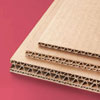
 Corrugated
 Cardboard
 Kraft
Kraft Rigid
Rigid Folding Carton Boxes
 Tuck End Boxes
 Auto Bottom Boxes
 Tuck Top Boxes
 Display Lid Boxes
 CBD Oil Boxes
 Hemp Oil Boxes
 CBD Tincture Boxes
 E-Liquid Boxes
 Vape Cartridge
 See all products
Custom packaging in the UK enables businesses to protect their products, communicate brand values effectively, and meet evolving regulatory and sustainability requirements. For companies in retail, eCommerce, cosmetics, food and beverage, or specialist sectors, bespoke packaging solutions deliver both operational efficiency and strategic advantage.
This authoritative guide provides a complete overview of custom packaging in the UK. It examines definitions and benefits, popular formats, material options, the design and ordering process, 2026 regulatory obligations, industry applications, sustainability trends, supplier selection, and return on investment. As a UK-based manufacturer, PackagingX produces high-quality custom packaging boxes tailored to precise specifications while supporting compliance and environmental objectives.
Why Custom Packaging Matters More Than Ever
Packaging is often the first physical experience a customer has with your brand. A website may win the order, but the box shapes the moment the product arrives. If the packaging feels weak, oversized, confusing, or generic, the customer notices. If it feels considered, protective, and on-brand, the product immediately feels more valuable.
For UK businesses, this matters across both online and offline sales. In eCommerce, the package arrives at the customer’s door and becomes part of the unboxing experience. In retail, the box helps the product compete on a shelf. In food, cosmetics, apparel, CBD, gifts, and specialist sectors, packaging also communicates quality, safety, care, and trust.
The best custom packaging does not simply look attractive. It solves several problems at once:
- It protects the product from damage.
- It reduces wasted space and unnecessary material.
- It presents the brand clearly and professionally.
- It supports storage, delivery, display, and fulfilment.
- It helps customers understand how to handle or recycle the packaging.
- It can support regulatory reporting and sustainability goals.
This is why custom packaging should be treated as a business tool rather than an afterthought. A box that is made around your product can reduce friction in the supply chain, improve presentation, and create a more consistent customer experience.
Standard packaging can work for simple internal use. But when the product is customer-facing, shipped through couriers, displayed in-store, or positioned as premium, custom packaging gives the business far more control.
What is Custom Packaging in the UK?
Custom packaging, also known as bespoke packaging, consists of packaging items manufactured to exact specifications for a specific product or brand. Unlike standard stock packaging, it offers complete control over size, shape, material, printing, and structural design.
UK businesses increasingly specify custom packaging boxes to achieve optimal protection, distinctive branding, and alignment with environmental and regulatory standards. Domestic manufacturers such as PackagingX deliver these solutions with the advantages of shorter lead times, direct technical support, and straightforward compliance assistance.
Key Benefits of Custom Packaging for UK Businesses
Well-executed custom packaging generates measurable advantages across branding, operations, customer experience, and regulatory compliance.
Brand Differentiation and Memorable Unboxing
Custom printed packaging creates immediate visual impact and elevates the customer experience. Consistent branding and premium finishes reinforce brand identity from the first interaction.
Enhanced Product Protection
Tailored structures minimise transit damage and reduce returns. Formats such as auto-bottom and die-cut boxes provide reliable performance while optimising material usage.
Support for Sustainability and Regulatory Compliance
Appropriate material choices assist with Extended Producer Responsibility obligations and Plastic Packaging Tax requirements. Recyclable and certified materials contribute to both environmental goals and cost management.
Operational Efficiency
Optimised dimensions improve storage density and shipping economics. Low minimum order quantities make custom solutions accessible to businesses of varying scales.
Marketing and Sales Effectiveness
Distinctive packaging functions as an extension of marketing activity, enhancing shelf presence, online appeal, and perceived value.
Standard Packaging vs Custom Packaging
Standard packaging is usually produced in fixed sizes and general materials. It can be useful when speed is the only priority or when the product does not require branding, precision sizing, or special protection.
Custom packaging is different. It is built around the product and the brand. The size, shape, material, printing, inserts, opening style, and finish can all be adjusted to match the actual use case.
Here is a simple comparison:
| Feature | Standard Packaging | Custom Packaging |
|---|---|---|
| Size | Fixed stock sizes | Made to product dimensions |
| Branding | Plain or limited | Logo, colours, messages and finishes |
| Protection | General protection | Designed around product weight and fragility |
| Customer Experience | Basic | More memorable and professional |
| Material Use | May create empty space | Can reduce wasted material and filler |
| Best Use | Temporary, internal or low-value use | Retail, eCommerce, gifting, premium and regulated products |
Custom packaging is not always about making the most expensive box. It is about making the most suitable box. Sometimes that means a simple kraft mailer with one-colour printing. Sometimes it means a rigid presentation box with inserts and premium finishing. The right choice depends on the product, the market, and the customer expectation.
The Hidden Costs of Poor Packaging
Cheap packaging can look like a saving at first, but it can become expensive when it creates problems after the order leaves your business.
Poor packaging can lead to:
- Product damage during shipping.
- Higher return and replacement costs.
- More customer service complaints.
- Negative reviews and lower customer trust.
- Wasted void fill and oversized parcels.
- Inconsistent brand presentation.
- Lost repeat purchases.
For eCommerce brands, the delivery experience can affect whether a customer orders again. For retail brands, packaging can influence whether a customer picks the product up in the first place. For food and cosmetics, packaging can also affect perceived cleanliness, freshness, and professionalism.
A good packaging decision should balance cost with performance. The cheapest box is not always the lowest-cost option if it increases damage, waste, or complaints. The right box protects the product and supports the brand without adding unnecessary material or complexity.
Popular Types of Custom Packaging Boxes in the UK
UK businesses choose from a wide range of proven formats. PackagingX manufactures the following popular styles to exact client requirements:
- Custom Gift Boxes — Elegant and protective solutions for premium presentations. Explore our custom gift boxes.
- Custom Cosmetic Boxes — Precision designs with high-quality finishes for beauty and personal care products. View our cosmetics boxes.
- Custom Food Packaging Boxes — Compliant and visually effective options for food and beverage applications. See our custom food packaging boxes.
- Custom Retail Boxes — Versatile designs for general retail and lifestyle products. Discover our retail boxes.
- Custom Kraft Boxes — Natural-appearance, eco-friendly packaging suited to sustainable branding. Learn more about our custom kraft packaging boxes.
- Corrugated Boxes — Robust protective solutions for eCommerce and distribution. Check our corrugated boxes.
- Rigid Boxes and Folding Carton Boxes — Premium structural options offering excellent presentation and protection. Explore our custom rigid boxes and folding carton boxes.
Additional formats include tuck-end, tuck-top, auto-bottom, die-cut, display lid, and specialist mailer boxes.
Custom Box Styles Explained
Choosing the correct box style is just as important as choosing the correct material. Two boxes made from the same board can perform very differently depending on their structure, opening style, locking mechanism, and intended use.
Tuck-End Boxes
Tuck-end boxes are common in retail packaging. They are often used for cosmetics, supplements, small food items, personal care products, and lightweight retail goods. They are easy to assemble, easy to print, and suitable for products that need clean shelf presentation.
Tuck-end structures can be designed as straight tuck end or reverse tuck end, depending on the opening direction and production requirement. They are practical when the box needs to be opened and closed neatly without heavy-duty protection.
Auto-Bottom Boxes
Auto-bottom boxes are designed for faster assembly. The base locks automatically when the box is opened, which saves time during packing. This makes them useful for businesses packing higher volumes of products.
They are often used for food, cosmetics, retail products, and gift items where speed and presentation both matter.
Mailer Boxes
Mailer boxes are widely used for eCommerce and subscription products. They open from the top and create a better unboxing experience than a standard shipping carton. They can be produced in corrugated board for protection or premium board styles for presentation.
Mailer boxes are especially useful when the package goes directly to the customer and becomes part of the brand experience.
Display Boxes
Display boxes are designed to present products in retail spaces. They may sit on counters, shelves, point-of-sale areas, or exhibition stands. Their job is to make the product visible, organised, and easy to pick up.
A good display box should be strong enough to hold the product count while keeping the front branding clear.
Rigid Boxes
Rigid boxes are used for premium products where presentation is a major part of the customer experience. They are common for luxury gifts, jewellery, cosmetics, candles, electronics accessories, and high-value product sets.
They usually cost more than folding carton or corrugated options, but they offer a stronger premium feel.
Die-Cut Boxes
Die-cut boxes are produced using a custom cutting shape. They can include windows, handles, inserts, slots, or unusual openings. This makes them useful when the product needs a special shape or a more distinctive presentation.
Die-cut packaging can be powerful for retail, but it should be designed carefully so the structure remains practical and easy to assemble.
How to Choose the Right Box Style for Your Product
Before selecting a box style, think about how the packaging will actually be used. A product that sits on a retail shelf has different needs from a product shipped through a courier network. A luxury gift set has different needs from a fast-moving food product.
Use these questions as a starting point:
- Will the product be shipped, displayed, stored, or gifted?
- Does the customer need to open the box easily?
- Does the product need to be seen through a window?
- Will the box be packed by hand or in higher volume?
- Does the box need inserts or compartments?
- Will it carry heavy or fragile products?
- Does the packaging need a premium finish?
For example, a skincare serum may work well in a folding carton if it is sold in retail. The same serum may need a corrugated mailer with inserts if it is being shipped directly to customers. A candle may need a rigid gift box for premium presentation, but it may still need a corrugated outer box for safe delivery.
This is why custom packaging often performs better when the supplier understands the full product journey, not just the product dimensions.
Materials for Durable and Sustainable Custom Packaging
Material selection influences protection, print quality, cost, and environmental performance. The table below summarises the principal options used in UK custom packaging.
| Material | Durability | Print Quality | Recyclability | Best Suited For |
|---|---|---|---|---|
| Corrugated Board | High | Good | Excellent | Shipping, eCommerce, protective needs |
| Solid Bleached Sulphate | Medium | Excellent | Excellent | Cosmetics, retail, high-quality print |
| Kraft Paper | Medium | Good | Excellent | Eco-conscious branding, natural finish |
| Rigid Board | High | Very Good | Good | Luxury gift, jewellery, premium items |
| Folding Boxboard | Medium | Excellent | Excellent | Food, cosmetics, folding structures |
PackagingX sources FSC-certified and recyclable materials to support both commercial performance and sustainability objectives.
How to Select the Right Packaging Material
The right material depends on four core factors: product weight, product value, delivery method, and customer expectation.
A lightweight retail product may not need heavy board. A fragile eCommerce product may need stronger corrugated protection. A premium gift may need rigid board. A sustainable brand may prefer kraft or recycled board with minimal finishing.
For Lightweight Retail Products
Folding boxboard or solid bleached sulphate can work well for products such as cosmetics, small supplements, soaps, skincare items, stationery, and lightweight food products. These materials offer strong print quality and a clean retail appearance.
For eCommerce and Shipping
Corrugated board is usually the safer choice when products are being shipped. It provides better cushioning and strength than standard paperboard, especially when products pass through couriers, warehouses, or fulfilment centres.
For Premium Products
Rigid board is suitable when the product needs to feel more luxurious. It is commonly used for premium gift boxes, jewellery, high-end cosmetics, electronics accessories, and special edition products.
For Natural and Sustainable Branding
Kraft paper and recycled boards can help create a more natural look. These materials are popular with eco-conscious brands, handmade product sellers, food brands, wellness companies, and businesses that prefer a minimal packaging style.
For Food Packaging
Food packaging requires extra attention. The material must suit the product, handling conditions, and any required safety or barrier needs. Greasy, wet, chilled, or frozen products may need a different specification from dry bakery or snack products.
Material selection should never be based on appearance alone. The material needs to support the product, the customer experience, and the compliance requirements of the business.
Custom Packaging and Print Quality
Print quality depends on both the artwork and the material. Smooth boards usually allow sharper image detail and cleaner colour reproduction. Corrugated board can also be printed effectively, but the print method and flute type need to match the desired finish.
Common printing options include:
- Digital printing for shorter runs, quick changes, and flexible artwork.
- Lithographic printing for high-quality retail presentation and detailed graphics.
- Flexographic printing for simpler designs, logos, shipping boxes, and larger runs.
- Screen printing for bold finishes and certain specialist packaging applications.
The best print method depends on the order quantity, colour complexity, material, finish, and budget. A one-colour logo on a kraft mailer does not need the same print setup as a luxury cosmetic carton with full-colour artwork and foil detailing.
Before production, businesses should check artwork resolution, colour mode, bleed, safe zones, spelling, barcode placement, and logo quality. Small artwork mistakes can become expensive once hundreds or thousands of boxes are printed.
The Custom Packaging Design and Production Process
A structured, collaborative process ensures successful outcomes:
- Brief and Requirements Gathering — Define product dimensions, quantities, branding elements, and any regulatory or sustainability considerations.
- Concept and Visualisation — Receive complimentary 2D and 3D mockups developed to your specifications.
- Artwork Refinement and Approval — Iterate on designs, colours, and finishes until final sign-off.
- Production — Precision manufacturing, including printing and assembly, at our UK facility.
- Quality Control and Delivery — Thorough inspection followed by secure nationwide delivery, typically within 8–10 business days after approval.
This approach minimises delays while delivering consistent, high-quality results.
Artwork Checklist Before Production
Artwork approval is one of the most important stages in a custom packaging project. Once a box goes into production, mistakes become harder and more expensive to fix.
Before approving artwork, check the following:
- Logo is high resolution or supplied as vector artwork.
- Brand colours are clearly specified.
- Text is proofread for spelling and grammar.
- Product names, sizes, ingredients, or claims are correct.
- Barcode or QR code has been tested.
- Artwork fits inside the safe print area.
- Bleed areas are included where needed.
- Fold lines, cut lines, and glue areas are understood.
- Any legal or regulatory text has been checked.
- Recycling symbols or disposal guidance are accurate.
A packaging supplier can help prepare dielines and mockups, but the brand should still check all product and marketing information carefully. The final approval should only happen when the structure, artwork, copy, finish, and quantity are confirmed.
Finishes and Special Effects for Custom Boxes
Finishing can change how packaging feels in the customer’s hands. It can make a product look more premium, more natural, more modern, or more retail-ready.
Common finishing options include:
- Matte lamination for a smooth and understated appearance.
- Gloss lamination for shine and stronger visual impact.
- Soft-touch finish for a premium tactile feel.
- Spot UV to highlight logos, patterns, or specific details.
- Foil stamping for metallic effects on luxury packaging.
- Embossing to raise selected design elements.
- Debossing to press design elements into the board.
- Window cut-outs to show part of the product inside.
Finishes should be used with purpose. A luxury skincare brand may benefit from foil or embossing. A sustainable food brand may look better with uncoated kraft and simple one-colour printing. A shipping box may only need logo printing and handling instructions.
More finishing does not always mean better packaging. The best result is achieved when the finish matches the product positioning and customer expectation.
Step-by-Step: How to Order Custom Packaging in the UK
Ordering custom packaging follows a clear sequence that ensures clarity and efficiency:
- Define Your Requirements — Determine product dimensions, required quantity, branding elements, and any specific functional or regulatory needs.
- Research and Shortlist Suppliers — Identify UK manufacturers with relevant experience, suitable minimum order quantities, and strong sustainability credentials.
- Request Quotations and Mockups — Provide detailed specifications and obtain comparable quotes together with visual concepts.
- Review and Refine — Evaluate mockups or samples, request adjustments, and confirm final artwork.
- Place the Order and Approve Production — Finalise commercial terms and authorise production.
- Receive and Implement — Accept delivery, conduct incoming quality checks, and integrate the packaging into your operations and branding.
PackagingX supports clients at every stage with expert guidance and free initial mockups.
What Information Should You Provide for an Accurate Quote?
A clear brief helps your packaging supplier quote faster and more accurately. It also reduces delays during design and production.
When requesting a quote, provide as much of the following as possible:
- Product dimensions and weight.
- Required box size, if already known.
- Product type and industry.
- Whether the box is for retail, shipping, storage, food, gifting, or display.
- Required quantity.
- Preferred material or sustainability requirement.
- Printing requirements and number of colours.
- Any finish such as matte, gloss, foil, embossing, or window cut-out.
- Whether inserts, dividers, or internal supports are needed.
- Delivery location and deadline.
- Artwork files, logo files, or brand guidelines if available.
A detailed brief helps the supplier recommend the right structure and avoid quoting a box that looks correct but performs poorly. For example, a supplier may suggest corrugated board instead of folding carton if the product is heavy or shipped through couriers.
Samples, Mockups and Prototypes
Samples and mockups help businesses check packaging before full production. They are especially useful for new products, premium launches, fragile items, and packaging with complex artwork or inserts.
A mockup can help you check:
- Box size and product fit.
- Opening and closing experience.
- Artwork positioning.
- Logo size and placement.
- Insert fit and product stability.
- Retail shelf presentation.
- Unboxing experience.
For many projects, a digital 2D or 3D mockup is enough to approve the direction. For more complex or high-value products, a physical sample may be worth requesting before bulk production.
Sampling is not about slowing the project down. It is about preventing bigger problems later.
UK Packaging Regulations in 2026: EPR, Plastic Packaging Tax and Compliance
Businesses placing packaging on the UK market must address important regulatory obligations in 2026.
Extended Producer Responsibility (EPR)
Organisations meeting turnover and tonnage thresholds must submit packaging data and contribute to the full net costs of household packaging waste management. From 2026, fees are modulated according to the Recyclability Assessment Methodology (RAM), with higher-performing recyclable packaging attracting lower charges.
Plastic Packaging Tax (PPT)
The tax applies to plastic packaging with recycled content below 30%. Updated rates for 2026 maintain the incentive to increase recycled content or adopt alternative materials.
Practical Preparation for Compliance
Businesses should maintain accurate records of packaging placed on the market, assess recyclability ratings, and select materials that support favourable fee positions. PackagingX supplies traceable, FSC-certified, and recyclable materials together with supporting documentation to assist clients in meeting reporting and fee obligations efficiently.
For authoritative guidance, refer to official UK Government resources on Extended Producer Responsibility for packaging.
Practical EPR and PPT Checklist for 2026
UK packaging rules can change, so businesses should always check official government guidance before making compliance decisions. GOV.UK explains that Extended Producer Responsibility for packaging may require affected organisations to collect and report packaging data and pay fees. GOV.UK also states that Plastic Packaging Tax applies to plastic packaging components containing less than 30% recycled plastic, with the rate from 1 April 2026 listed as £228.82 per tonne.
Useful official sources include GOV.UK EPR guidance, GOV.UK Plastic Packaging Tax guidance, and GOV.UK waste statistics.
For planning purposes, businesses should consider the following:
- Identify all packaging materials used across products.
- Record packaging weights and material categories.
- Track quantities placed on the UK market.
- Understand whether packaging is household or non-household.
- Check whether business thresholds apply.
- Review recyclability of each packaging format.
- Keep supplier documentation where available.
- Reduce unnecessary plastic components where possible.
- Use recycled content where suitable and verifiable.
- Seek specialist compliance advice where required.
Packaging design can support compliance preparation when it uses simpler material structures, recyclable boards, clear documentation, and reduced unnecessary components. This is another reason to work with a supplier that understands both packaging performance and UK regulatory direction.
Why Packaging Records Matter
Good packaging records make business planning easier. They also help when sustainability reporting, EPR preparation, cost analysis, or supplier comparison becomes necessary.
Keep a record of:
- Supplier name and contact details.
- Packaging material and board specification.
- Order quantity.
- Packaging weight, if provided.
- Product range using the packaging.
- Whether inserts, labels, windows, or plastic components are included.
- Whether the packaging is printed, laminated, coated, or finished.
- Any recycled content, FSC certification, or recyclability information.
This information is useful beyond compliance. It also helps with reorder planning, cost control, product launches, and packaging improvements over time.
Custom Packaging Solutions by Industry in the UK
Different sectors present distinct packaging requirements. PackagingX delivers tailored solutions across major industries:
- Cosmetics and Personal Care — Premium finishes and secure formats that enhance product presentation. View our cosmetics boxes.
- Food and Beverage — Compliant, protective, and visually effective packaging. Explore our custom food packaging boxes.
- Retail and eCommerce — Optimised solutions for protection, branding, and fulfilment, including mailer formats. Discover our retail boxes and custom mailer boxes.
- Gift and Lifestyle Products — Elegant presentations that elevate perceived value. See our custom gift boxes.
- Specialist Categories (CBD, Apparel, and Others) — Custom sizes and protective features meeting sector-specific needs. Explore our custom CBD boxes and custom apparel boxes.
Industry Deep Dive: Matching Packaging to the Customer Journey
Every industry uses packaging differently. A cosmetic box needs to look refined. A food box needs to be practical and safe. An eCommerce mailer needs to survive delivery. A gift box needs to feel special. A retail display box needs to help sell.
Cosmetics and Beauty Packaging
Beauty packaging often needs high-quality printing, strong colour consistency, and premium finishes. Customers expect skincare, fragrance, makeup, and personal care products to look clean and trustworthy.
Cosmetic packaging may need:
- Accurate colour matching.
- Clear ingredient or product information.
- Premium finishes such as foil, embossing, or soft-touch coating.
- Strong retail shelf appeal.
- Protective inserts for bottles, jars, or sets.
For online cosmetic sales, brands may combine a printed product carton with a corrugated mailer or protective outer box.
Food and Beverage Packaging
Food packaging must be practical first. It should suit the product type, handling method, storage environment, and customer expectations.
Food businesses should consider:
- Grease, moisture, heat, or chilling requirements.
- Food-safe material suitability.
- Ease of opening and carrying.
- Branding for takeaway or delivery.
- Clear product or allergen information where required.
- Waste and recycling considerations.
Pizza boxes, bakery boxes, burger boxes, cake boxes, and frozen food boxes all need different structures. A single food packaging style rarely works well for every product.
eCommerce and Subscription Packaging
In eCommerce, the box becomes the customer’s first physical contact with the brand. This makes protection and presentation equally important.
Good eCommerce packaging should:
- Fit the product closely.
- Reduce movement during delivery.
- Be easy to open without damaging the product.
- Carry clear branding.
- Support returns where needed.
- Use inserts for fragile or multi-item orders.
Subscription boxes often benefit from inside printing, inserts, compartments, and a more memorable unboxing layout.
Retail and Display Packaging
Retail packaging must work quickly. Customers may only look at the product for a few seconds before deciding whether to pick it up.
A strong retail package should show:
- What the product is.
- Who it is for.
- Why it is valuable.
- How it fits the brand.
- Any key product information needed before purchase.
Display boxes and shelf-ready packaging can also help retailers present multiple products neatly while keeping brand visibility high.
Sustainable Custom Packaging Trends for UK Businesses in 2026
Current trends emphasise environmental performance alongside commercial effectiveness:
- Mono-material constructions that facilitate recycling.
- Increased use of recycled content to minimise Plastic Packaging Tax exposure.
- Minimalist yet protective designs that reduce overall material consumption.
- Clear on-pack recycling information aligned with UK standards.
- Premium sustainable aesthetics using natural fibres and refined finishes.
These developments align closely with PackagingX’s focus on sustainable custom packaging UK solutions.
Designing Custom Packaging for Recyclability
Sustainable packaging starts with design. A package may be made from paper-based material, but that does not automatically make it easy to recycle in every situation. Coatings, windows, labels, adhesives, food contamination, and mixed materials can all affect how practical recycling is.
GOV.UK waste statistics report that paper and cardboard achieved the highest UK packaging recycling rate in 2024, at 86.4%. This supports the continued use of paper-based materials such as corrugated board, kraft paper, and folding boxboard where they are suitable for the product.
To improve recyclability, consider:
- Use mono-material packaging where possible.
- Avoid combining too many different materials in one structure.
- Use paper-based inserts instead of plastic where suitable.
- Limit unnecessary lamination or coatings.
- Use clear recycling instructions on customer-facing packaging.
- Keep boxes right-sized to reduce waste.
- Choose finishes that support the intended end-of-life route.
- Work with suppliers who can explain material options clearly.
Businesses should also consider how customers will dispose of the packaging. A beautifully designed package can still create confusion if the customer does not know whether to recycle it, separate components, or remove inserts.
Simple on-pack messages can help, such as:
- Flatten before recycling.
- Remove non-paper inserts before recycling.
- Recycle with cardboard where facilities exist.
- Check local recycling guidance.
Sustainability is not achieved by choosing one material only. It comes from designing packaging that uses the right material, the right amount of material, and the right structure for the product.
Why Right-Sized Packaging Supports Sustainability and Cost Control
Oversized packaging creates several problems. It uses more material, takes more storage space, requires more filler, and can increase delivery costs. It can also frustrate customers who receive a small product in a box that feels wasteful.
Right-sized custom packaging helps businesses:
- Reduce material waste.
- Lower void fill requirements.
- Improve product protection.
- Improve warehouse and storage efficiency.
- Reduce parcel size where possible.
- Create a cleaner unboxing experience.
- Support sustainability messaging with real action.
This does not mean the box should be tight around the product with no protection. Fragile products may need internal space for inserts or cushioning. The goal is to remove unnecessary empty space while still giving the product the protection it needs.
Right-sized packaging is one of the simplest ways to improve both cost and customer perception.
How to Choose the Right Custom Packaging Supplier in the UK
When evaluating potential partners, consider the following criteria:
- UK-based manufacturing, which provides shorter lead times, reliable communication, and direct compliance support.
- Competitive minimum order quantities (PackagingX offers just 100 units for most styles), making custom packaging accessible to small and medium-sized businesses.
- Comprehensive design and technical support, including free mockups.
- Strong sustainability credentials with access to FSC-certified and recyclable materials.
- Transparent pricing, reliable production schedules, and the ability to supply documentation for EPR and Plastic Packaging Tax purposes.
Benefits of Partnering with a UK Manufacturer
Partnering with a UK manufacturer such as PackagingX offers distinct advantages over imported alternatives. These include shorter and more reliable lead times, easier communication throughout the project, stronger support for regulatory compliance, and a lower transport-related environmental impact. Domestic production also facilitates quicker responses to changing requirements and provides greater supply chain resilience. PackagingX combines these benefits with a low minimum order quantity of 100 units and expert design support, enabling businesses of all sizes to access premium custom packaging UK solutions efficiently.
Explore our full range of options and request a quotation via our contact page.
Questions to Ask Before Choosing a Packaging Supplier
The right supplier should help you make better packaging decisions, not simply take an order. Before selecting a custom packaging partner, ask practical questions.
Questions about production:
- Do you manufacture in the UK?
- What is your standard production time after artwork approval?
- What minimum order quantities do you offer?
- Can you support repeat orders and future design changes?
- Do you provide 2D or 3D mockups?
- Can you advise on dielines and artwork setup?
Questions about materials:
- Which material is best for my product?
- Do you offer FSC-certified or recycled board options?
- Can you explain the difference between kraft, corrugated, folding carton, and rigid board?
- Can you provide documentation for material choices where needed?
Questions about performance:
- Will this box protect my product during delivery?
- Do I need inserts or dividers?
- Is this structure suitable for stacking or storage?
- Can the packaging be right-sized to reduce empty space?
Questions about branding:
- What print methods are available?
- Which finishes suit my brand and budget?
- Can the box be printed inside as well as outside?
- Can you help keep the design practical for production?
A good supplier should answer these questions clearly. If the answers are vague, or if every project is pushed toward the same material and style, it may be worth looking for a more consultative packaging partner.
Common Custom Packaging Mistakes to Avoid
Many packaging problems can be avoided before production starts. Here are the most common mistakes UK businesses should watch for.
Choosing the Box Before Understanding the Product Journey
A box should be selected based on how the product is stored, shipped, displayed, and opened. A retail carton and an eCommerce shipping box may serve completely different roles.
Ignoring Product Weight and Fragility
A box that looks good may still fail if the material is not suitable for the product weight. Fragile products often need inserts, stronger board, or better internal support.
Overcomplicating the Design
Too many colours, finishes, messages, and design elements can make packaging more expensive and less effective. Clean design often performs better.
Using Oversized Boxes
Oversized boxes increase material use, filler, storage space, and customer frustration. Custom sizing can solve this problem.
Approving Artwork Too Quickly
Spelling errors, wrong barcodes, low-resolution logos, and misplaced text can create expensive mistakes. Artwork should be checked carefully before sign-off.
Not Planning Reorders
If you use packaging regularly, think about stock levels, reorder timing, seasonal demand, and storage space. Running out of packaging can delay fulfilment.
Choosing Packaging Only by Unit Price
A low unit cost may not reflect the true cost if the box causes damage, looks poor, or creates operational problems.
Cost Considerations and Maximising ROI
Unit pricing depends on size, material specification, print coverage, finishes, and order volume. Although custom packaging generally carries a higher per-unit cost than stock alternatives, the return on investment is realised through several channels:
- Reduced product damage and returns.
- Enhanced brand perception and potential for premium pricing.
- Improved customer retention and advocacy.
- Lower ongoing compliance costs through sustainable material choices.
PackagingX provides competitive wholesale rates and volume discounts. Detailed quotations enable accurate assessment of total cost of ownership.
How to Measure the ROI of Custom Packaging
Custom packaging ROI is not measured only by the cost per box. It should be measured by the value the packaging creates across the business.
Useful metrics include:
- Reduction in damaged products.
- Reduction in returns or replacements.
- Improved customer reviews mentioning packaging or presentation.
- Repeat purchase rate.
- Lower void fill and material usage.
- Improved storage efficiency.
- Higher perceived product value.
- Retail sell-through improvement.
- Social media sharing of unboxing experiences.
For some businesses, the biggest return comes from reduced damage. For others, it comes from a stronger brand experience. Premium products may benefit from better perceived value, while eCommerce brands may benefit from fewer complaints and a more memorable delivery moment.
To assess ROI properly, compare the full cost of poor packaging against the cost of custom packaging. A slightly higher box cost may be justified if it reduces returns, improves reviews, and helps customers trust the brand.
How to Control Custom Packaging Costs
Custom packaging does not need to be overcomplicated or overpriced. There are several ways to control cost while still improving quality.
Keep the Structure Practical
Choose a box style that suits the product without adding unnecessary complexity. A simple tuck-end carton, mailer, or corrugated shipping box may be enough.
Use the Right Material, Not the Most Expensive Material
Premium board is not always needed. Lightweight products can often use cost-effective paperboard. Fragile or shipped products may need corrugated board. Luxury products may justify rigid board.
Limit Finishes to What Adds Value
Foil, embossing, soft-touch finishes, and windows can look excellent, but they should support the brand strategy. Use them where they improve presentation or justify a premium price.
Order Sensible Quantities
Larger orders can reduce unit cost, but only if the business can store and use the stock. Avoid ordering too many boxes if the product design may change soon.
Plan Ahead
Rush projects can increase stress and limit options. Planning early gives more time for mockups, artwork checks, production, and delivery.
Standardise Where It Makes Sense
Some product ranges can share a similar packaging structure with different printed artwork. This can simplify ordering and production while keeping branding consistent.
Custom Packaging Project Checklist
Before starting a custom packaging project, use this checklist to organise your brief.
Product Information
- Product size and weight.
- Product fragility.
- Number of items per box.
- Any food, cosmetic, CBD, or sector-specific requirements.
Packaging Purpose
- Retail display.
- eCommerce shipping.
- Gift presentation.
- Food delivery.
- Storage or wholesale supply.
Branding Requirements
- Logo placement.
- Brand colours.
- Product information.
- Inside printing.
- QR codes, website, or social handles.
Material and Sustainability
- Preferred board type.
- FSC-certified or recycled material preference.
- Recyclability goals.
- Plastic reduction requirements.
- Any documentation needed for internal records.
Production Requirements
- Required quantity.
- Deadline.
- Delivery location.
- Need for samples or mockups.
- Future reorder plans.
This checklist gives your supplier a clearer starting point and helps avoid delays, wrong assumptions, and avoidable revisions.
Frequently Asked Questions About Custom Packaging in the UK
What is the typical minimum order quantity for custom packaging boxes in the UK?
Requirements vary, but PackagingX offers a low MOQ of 100 units for most custom packaging styles, enabling smaller UK businesses to access premium bespoke solutions.
How long does production and delivery of custom packaging normally take?
Following artwork approval, production at PackagingX typically requires 8–10 business days, followed by secure nationwide UK delivery.
How do the 2026 EPR and Plastic Packaging Tax rules affect UK businesses?
Obligated organisations must report data and pay fees modulated by recyclability performance. Materials with strong recyclability ratings and higher recycled content help minimise costs. PackagingX supplies suitable materials and traceability documentation to support compliance.
Which materials are most suitable for sustainable custom packaging?
FSC-certified kraft, recycled boards, and mono-material constructions offer excellent environmental performance. PackagingX specialises in these options.
Can custom packaging be produced to completely bespoke sizes and shapes?
Yes. PackagingX manufactures to exact client specifications across a comprehensive range of structural styles.
What level of design support is provided?
We offer free 2D and 3D mockups and work collaboratively with clients through all stages of design and approval.
What is the difference between custom and bespoke packaging?
The terms are used interchangeably to describe packaging produced to specific requirements rather than standard off-the-shelf items.
How does custom packaging support brand development?
It provides consistent visual identity, premium presentation, and distinctive unboxing experiences that reinforce brand positioning at every customer interaction.
Why is UK-manufactured custom packaging often preferable?
Domestic production generally delivers shorter and more reliable lead times, easier communication, stronger support for regulatory compliance, and a lower transport-related environmental impact.
How should a business begin a custom packaging project?
Contact a specialist UK manufacturer such as PackagingX to discuss requirements. We provide a free consultation and tailored quotation.
How does sustainable custom packaging impact long-term costs?
Sustainable materials and designs can reduce Extended Producer Responsibility fees through favourable recyclability ratings and may lower or eliminate Plastic Packaging Tax liabilities. PackagingX helps clients select options that support both environmental and financial objectives.
Can custom packaging reduce shipping costs?
Yes. Right-sized packaging can reduce empty space, lower filler requirements, improve parcel efficiency, and sometimes reduce shipping costs. The result depends on product size, courier pricing, and packaging structure.
Is custom packaging suitable for small businesses?
Yes. Custom packaging is not only for large brands. Low minimum order quantities and digital mockups make it accessible for startups, small businesses, independent retailers, and growing eCommerce brands.
What is the best packaging for eCommerce orders?
For eCommerce, corrugated mailer boxes, postage boxes, and shipping boxes are often suitable because they combine protection with branding. Fragile items may also need inserts or dividers.
Can I use the same custom box for multiple products?
Sometimes. Similar products may share one box size, but products with different weights, fragility levels, or presentation needs may require different packaging. Using one box for everything can lead to wasted space or poor protection.
What is the difference between a dieline and a mockup?
A dieline is the flat technical layout used to cut, fold, and print the box. A mockup is a visual preview that shows how the finished packaging may look in 2D or 3D.
Are kraft boxes better for sustainable branding?
Kraft boxes can support a natural and eco-conscious look, especially when paired with simple printing and recyclable materials. However, the best sustainable option depends on product protection, material use, and end-of-life disposal.
Can custom packaging include inserts?
Yes. Inserts can be added to hold products in place, separate multiple items, improve presentation, and reduce movement during delivery. They are commonly used for candles, bottles, jars, cosmetics, gifts, and electronics accessories.
How early should I order custom packaging before a launch?
It is best to start early enough to allow time for briefing, mockups, artwork approval, production, quality checking, and delivery. For new launches, extra time should be allowed for revisions and sample checks.
Conclusion: Partner with PackagingX for Premium UK Custom Packaging
Custom packaging in the UK functions as both a protective solution and a strategic business asset. When designed and produced effectively, it supports branding, operational efficiency, customer satisfaction, and regulatory compliance in an evolving 2026 landscape.
PackagingX delivers these benefits as a dedicated UK manufacturer. With accessible minimum order quantities, expert design support, sustainable material options, and reliable domestic production, we assist brands across retail, eCommerce, cosmetics, food, and specialist sectors in achieving superior packaging outcomes.
Ready to advance your packaging strategy? Request a free, no-obligation quote today and discover the advantages of premium custom packaging UK solutions from PackagingX. Explore our full range of custom packaging solutions or contact our team directly to begin your project.
For the latest regulatory information, consult official UK Government guidance alongside advice from your packaging partner.