


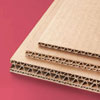
 Corrugated
 Cardboard
 Kraft
Kraft Rigid
Rigid Folding Carton Boxes
 Tuck End Boxes
 Auto Bottom Boxes
 Tuck Top Boxes
 Display Lid Boxes
 CBD Oil Boxes
 Hemp Oil Boxes
 CBD Tincture Boxes
 E-Liquid Boxes
 Vape Cartridge
 See all products
Are Corrugated Boxes Recyclable? A UK Business Guide
Corrugated boxes are one of the most widely used packaging choices for UK ecommerce, retail and shipping businesses. They are strong, lightweight, customisable and, in most cases, recyclable.
But there is an important point many businesses miss. Just because corrugated boxes can be recycled does not mean every box will be recycled. The condition of the box, the material, the finish, contamination, tape, coatings and local recycling rules all affect whether it can be processed properly.
In the US, AF&PA reported that the 2024 cardboard recycling rate was 69%–74%, with more than 33 million tons of cardboard recycled. That shows how important paper-based packaging is in recycling systems, but UK businesses still need to design packaging around local recycling expectations and customer behaviour.
This guide explains whether corrugated boxes are recyclable, when they are not recyclable, how customers should dispose of them, and how businesses can design more sustainable corrugated packaging without sacrificing protection or presentation.
Quick Answer: Are Corrugated Boxes Recyclable?
Yes — corrugated boxes are recyclable when they are clean, dry and free from heavy contamination.
No soaking grease. No plastic lamination. No heavy food waste. When a corrugated box is clean and in decent condition, it can be flattened, placed with cardboard recycling and processed into new material.
According to the American Forest & Paper Association, more than 33 million tons of cardboard was recycled in 2024 in the US, with a reported cardboard recycling rate of 69%–74%.
That is an impressive number. But it also shows there is still a meaningful gap — boxes that do not make it into recycling because they are contaminated, incorrectly disposed of, or made with materials that cannot be processed easily.
Your packaging choices directly affect which side of that gap your boxes fall on.
For businesses that want packaging built specifically for their product, explore custom corrugated boxes from PackagingX.
Corrugated Recycling Rates: What the Numbers Show
The table below uses US data because it is one of the clearest published data sets for corrugated recycling performance. UK businesses should treat it as useful context, not a direct UK recycling rate.
| Year | AF&PA Reported Rate | Bloomberg Intelligence Estimate |
|---|---|---|
| 2020 | 91% | — |
| 2021 | 91% | 69% |
| 2022 | 93.6% | 67.4% |
| 2023 | 71%–76% | 66% |
| 2024 | 69%–74% | — |
Sources: AF&PA, Packaging Dive
The debate around exact recycling rates is real. But regardless of which number you use, one thing is clear — there is still a meaningful gap between boxes that are recycled and boxes that are not. Your packaging design directly influences which category your boxes fall into.
What Are Corrugated Boxes Made From?
Before talking about recyclability, it helps to understand what corrugated boxes are made from.
Corrugated boxes are made from corrugated board — a layered paper-based material usually made with an outer liner, an inner liner and a fluted layer in the middle. That fluted layer gives corrugated boxes their strength, cushioning and resistance to pressure during shipping and storage.
Because the main structure is paper-based, corrugated packaging is widely accepted in cardboard recycling streams when it is kept clean and dry. The paper fibres can be broken down, processed and turned into new material.
The problems start when non-paper elements are added. Plastic coatings, heavy grease, food contamination, excessive tape and mixed materials can make an otherwise recyclable box difficult or unsuitable for standard recycling.
For a full breakdown of corrugated structure and box types, read our complete guide to corrugated packaging boxes.
Why Corrugated Boxes Are a Popular Choice for Recyclable Packaging
Corrugated packaging is used across ecommerce, retail, food, gifts and industrial shipping because it balances strength, cost, customisation and recyclability.
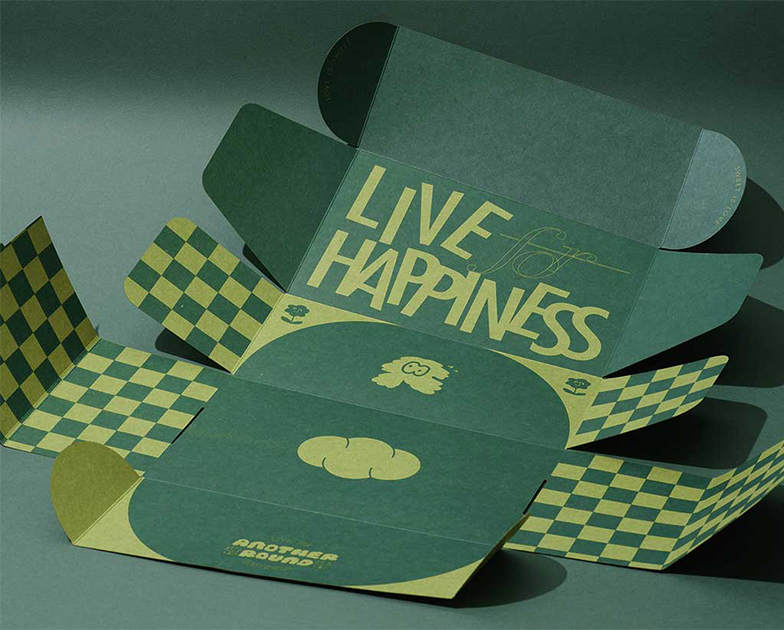
Corrugated boxes are practical because they can be made to different strengths, printed with branding, sized around the product and flattened after use. When designed properly, they protect products during delivery while remaining easier for customers to recycle than many mixed-material packaging options.
A 2025 sustainable packaging consumer report found that 90% of consumers are more likely to buy from brands that prioritise sustainable packaging. That shows packaging is no longer just a logistics decision. It is part of how customers judge a brand.
For UK businesses, this matters because customers increasingly expect packaging to be practical, recyclable and not excessive.
When Are Corrugated Boxes Not Recyclable?
This is where businesses need to pay close attention.
A corrugated box becomes difficult or impossible to recycle when it is covered in heavy grease, soaked with food waste, wet or dirty, laminated with plastic coatings, mixed with non-paper layers, covered in excessive tape, or contaminated with oil, paint or chemicals.
| Box Condition | Recyclable? | What to Do |
|---|---|---|
| Clean, dry, uncoated box | Yes | Flatten and recycle |
| Simple logo or colour printing | Yes | Fine to recycle as-is |
| Small amount of tape | Usually | Remove where possible |
| Light matte or gloss finish | Sometimes | Check local guidance |
| Heavy plastic lamination | No | General waste or specialist guidance |
| Greasy or food-contaminated | No | General waste |
| Wet or soaked through | No | General waste |
| Mixed with plastic layers | No | Check local guidance |
Think about it practically. A clean ecommerce mailer box is usually recyclable. A greasy takeaway food box is different because grease can penetrate the paper fibres and contaminate the recycling process.
The simpler and cleaner the box, the easier it is to recycle. That is the rule.
How Customers Should Recycle Corrugated Boxes
Most customers want to recycle. They just need clear guidance. Here is the process broken down simply — and it is worth printing a version of this on your packaging.
Step 1 — Empty it out. Remove all products, plastic inserts, foam, tissue paper and any loose filler material before recycling.
Step 2 — Remove excess tape. Some tape is handled by many recycling systems, but large strips of plastic tape should be removed where possible.
Step 3 — Flatten it. A flat box takes up less space in recycling bins and makes collection easier.
Step 4 — Keep it clean and dry. Wet or greasy cardboard causes problems during processing. If the box is heavily contaminated, it is better placed in general waste than allowed to contaminate a recycling batch.
Step 5 — Check local guidance. Recycling rules vary by area. Encourage customers to follow their local council’s instructions when in doubt.
Adding a short recycling message to your printed packaging — even just “Please flatten and recycle” — can make a real difference to how customers dispose of it.
UK Recycling Rules Businesses Should Know
For UK businesses, recycling is not only a customer behaviour issue. It is also becoming part of everyday waste management.
In England, workplace recycling rules require businesses to separate dry recyclable materials such as paper and card, food waste and non-recyclable waste. This means businesses handling cardboard and corrugated packaging should have a clear process for keeping paper and card clean, dry and separate from general waste where required.
These rules came into force for many workplaces on 31 March 2025, with later requirements for micro-firms. Businesses should always check the latest GOV.UK workplace recycling guidance for current details.
For packaging design, the lesson is simple. The easier your box is to separate, flatten and recycle, the better it is for customers, businesses and recycling systems.
Why Right-Sized Packaging Is More Sustainable Than You Think
Choosing a recyclable material is only half the equation. The size of your box matters just as much.
Oversized boxes are a bigger problem than they seem. They use more raw material than necessary. They take up more delivery space. They often need extra void fill to stop the product from moving around. They can also make customers feel that your brand is wasteful.
Right-sized packaging does the opposite. It reduces material waste, cuts down on void fill, improves product protection, lowers shipping costs and creates a cleaner customer experience.
For many ecommerce businesses, using the right box size is one of the simplest sustainability improvements. It is practical, easy to explain and often reduces cost instead of increasing it.
Can Printed Corrugated Boxes Still Be Recycled?
Yes — printed corrugated boxes are generally still recyclable, especially when the printing is straightforward.
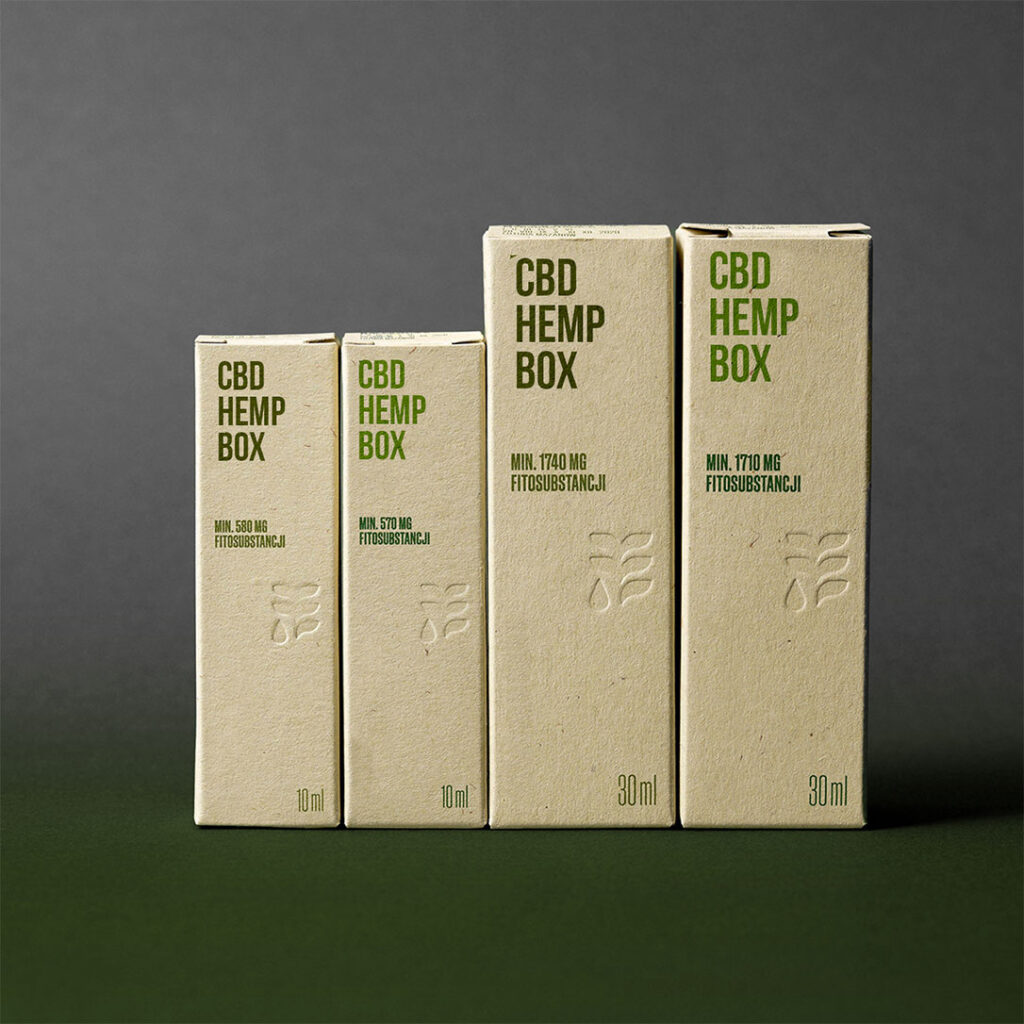
Logo printing, brand colours, product information, QR codes and recycling messages do not usually prevent recycling.
Where it becomes more complicated is with heavy finishes. Plastic lamination, thick foil effects and mixed-material coatings can make processing harder and may not be accepted in standard recycling streams.
If recyclability is a genuine brand priority, keep your design clean. Use finishes that add real value to the product or customer experience, and avoid extra layers that make the box harder to recycle.
You can also use the printed surface itself to help customers recycle correctly. Messages like “Please recycle this box,” “Flatten before recycling,” or “Remove inserts before recycling” take up little design space but can improve disposal behaviour.
For branding ideas, read our guide on printed corrugated boxes.
Corrugated Boxes vs Plastic Packaging
For many ecommerce, retail, gifting and standard shipping situations, corrugated boxes are a more practical recyclable option than plastic packaging. They are paper-based, widely understood by customers and easier to flatten and place into cardboard recycling streams.
For UK customers, the most practical message is simple: use packaging that is easy to separate, keep clean and recycle according to local guidance. Recycle Now advises people to check local recycling rules and avoid contamination because recyclable items can become a problem when they are mixed with the wrong materials or contaminated with food, grease or other waste.
| Feature | Corrugated | Cardboard | Plastic |
|---|---|---|---|
| Recyclable | Yes, when clean and dry | Yes, when clean and dry | Varies by plastic type |
| Biodegradable | Generally paper-based | Generally paper-based | No |
| Shipping strength | High | Medium | High |
| Customer disposal | Usually simple | Usually simple | Often less clear |
| Customisable print | Yes | Yes | Limited |
| Moisture resistance | Moderate | Low | High |
| Cost-effective | Yes | Yes | Varies |
Plastic packaging still has its place, especially where moisture protection is critical and no paper alternative can reliably perform. But for many standard shipping and retail applications, corrugated packaging delivers strong protection while aligning with customer expectations for recyclable packaging.
Corrugated vs Cardboard: Which Is Better for Recycling?
Both corrugated and regular cardboard are paper-based, so both can usually be recycled when clean and dry. The difference comes down to strength and purpose.
Regular cardboard is thinner and better suited for light shelf packaging or retail boxes where the product does not need to survive a shipping journey. Corrugated board, with its fluted inner layer, is built for shipping, stacking and storage where stronger structural protection is needed.
From a recycling perspective, they are similar when clean and free from problematic coatings. The choice between them should be driven by what your product actually needs.
You can compare both materials in our guide on corrugated boxes vs cardboard boxes.
Single Wall or Double Wall: Which Is More Eco-Friendly?
Single wall corrugated boxes use less material than double wall boxes. On the surface, that makes them seem like the more eco-friendly option. But it is not always that simple.
If you use double wall packaging for a light product that does not need it, you are using more material than necessary. That is waste.
But if you use single wall packaging for a fragile product and it arrives damaged, you now have a returned product, an extra delivery, replacement packaging and a frustrated customer. That creates more waste than the stronger box would have.
The most sustainable choice is usually the one that protects the product properly while using the minimum material required to do so. Matching box strength to product need is not just good packaging — it is good sustainability practice.
For more detail, read our guide on single wall vs double wall corrugated boxes.
Consumer Sustainability Expectations
Sustainable packaging is not just a nice extra. It is increasingly part of how customers judge the brands they buy from.
| Customer Expectation | Reported Figure |
|---|---|
| More likely to buy from brands with sustainable packaging | 90% |
| Consciously purchased products with sustainable packaging in the last six months | 54% |
| Willing to pay extra for a product with sustainable packaging | 43% |
Source: Shorr Packaging 2025 Sustainable Packaging Consumer Report
The message for businesses is clear. Customers notice packaging. They care whether it feels excessive, difficult to recycle or out of line with the brand’s sustainability claims.
Packaging Sustainability Tips for Ecommerce Businesses
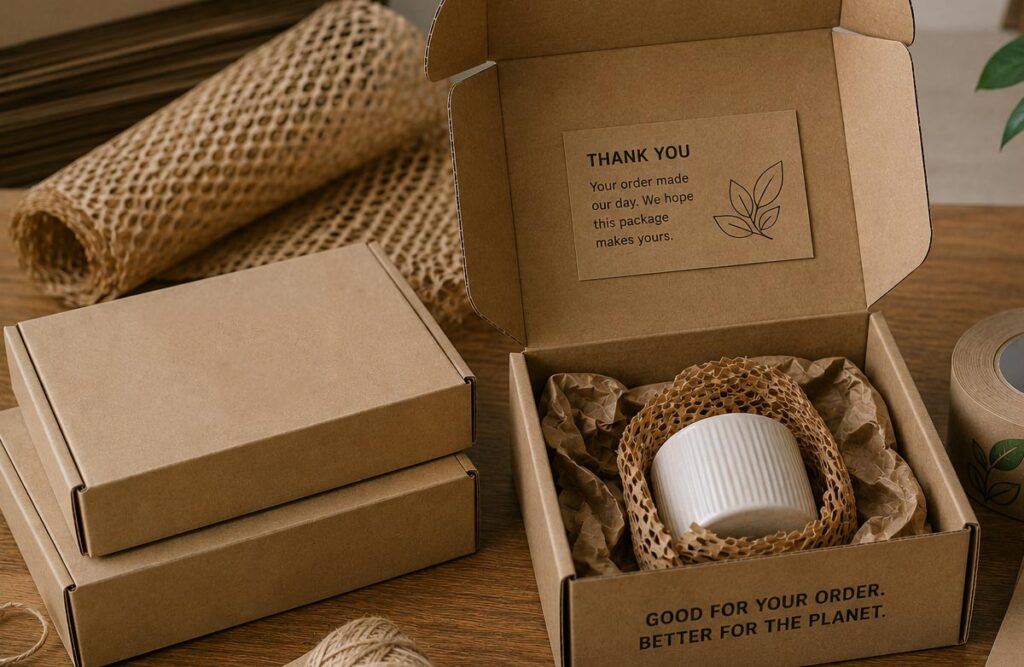
Ecommerce brands use a large amount of packaging. Small improvements across your product range can make a big difference over time.
Use the right box size. This can reduce material usage, shipping costs and customer frustration at the same time.
Choose recyclable corrugated boxes as your default. For many products, corrugated packaging can handle shipping conditions while remaining easy for customers to recycle.
Reduce plastic void fill where possible. Paper-based alternatives are widely available and often suitable for lighter products.
Use inserts only when the product genuinely needs them. If the product fits the box well, inserts may not be necessary.
Print recycling instructions on your packaging. Make it easy for customers to do the right thing.
Design for protection first. A damaged product that has to be returned and shipped again can create more environmental impact than slightly stronger packaging would have.
For shipping protection tips, read our guide on corrugated shipping boxes.
Common Mistakes Businesses Make with Recyclable Packaging
Here are the mistakes businesses make most often when trying to create recyclable packaging.
Assuming all cardboard is automatically recyclable. Some coatings, contamination levels and mixed materials can make an otherwise paper-based box unsuitable for standard recycling.
Choosing oversized boxes. More packaging does not always mean better protection. It can mean more material waste, higher shipping costs and a worse customer experience.
Using weak boxes to save on materials. If the box fails during delivery, the return, replacement and extra delivery can create more waste than a slightly stronger box would have.
Adding plastic inserts unnecessarily. Plastic inserts can make recycling harder for the customer and add cost without improving protection in many cases.
Not adding disposal instructions. Customers often want to recycle, but they need to know how. A single line on your packaging can make a real difference.
Prioritising appearance over function. A box should look good, protect the product and be practical to recycle. All three matter.
Need Recyclable Corrugated Boxes for Your Business?
If you want corrugated packaging that is strong, right-sized and designed with recyclability in mind, PackagingX can help. We create custom corrugated boxes for UK businesses across ecommerce, retail, food, gifts and product shipping.
Explore our custom corrugated boxes or request a free quote for packaging designed around your product size, strength requirements and brand identity.
Final Thoughts
Corrugated boxes are one of the most recyclable packaging materials available, but only when they are used correctly. Clean, dry, right-sized and free from heavy contamination, a corrugated box can move through recycling systems and be turned into new paper-based products.
The businesses that get packaging right are not only thinking about cost and protection. They are thinking about the full lifecycle of the box — from production to the customer’s recycling bin.
For UK ecommerce, retail and product-based businesses, recyclable corrugated packaging is a practical way to reduce waste, improve customer experience and support stronger brand values.
If you want corrugated packaging built around your exact product size, strength requirements and brand identity, explore our corrugated packaging boxes at PackagingX and request a free quote today.
FAQs
Are corrugated boxes recyclable?
Yes. Corrugated boxes are generally recyclable when they are clean, dry and free from heavy contamination such as grease, plastic coatings or food waste. Most clean corrugated boxes can be flattened and placed with cardboard recycling.
Do I need to remove tape before recycling corrugated boxes?
It is best practice to remove large strips of plastic tape where possible. Small amounts of tape may be handled by many recycling facilities, but removing excess tape keeps the process cleaner and more efficient.
Can printed corrugated boxes be recycled?
Yes, in most cases. Standard logo and colour printing does not usually prevent recycling. Heavy plastic lamination or mixed-material finishes may make the box harder to recycle, so keep finishes clean and practical if recyclability matters to your brand.
Are greasy food boxes recyclable?
Heavily greasy or food-contaminated boxes may not be recyclable. Grease can penetrate paper fibres and contaminate recycling batches. Clean food packaging is usually easier to recycle, but heavily soiled boxes should follow local waste guidance.
Are corrugated boxes better than plastic packaging for sustainability?
For many ecommerce, retail, gifting and standard shipping uses, corrugated boxes are often a more practical recyclable option than plastic packaging. They are paper-based, easy to flatten and widely understood by customers. Plastic may still be needed where moisture resistance or specialist protection is essential.
How can businesses make corrugated packaging more sustainable?
Use the right box size, match box strength to product need, reduce unnecessary plastic void fill, use paper-based inserts where possible, print recycling instructions on the packaging and design for product protection first. These steps reduce waste and improve the customer experience at the same time.